
School Readiness in Wimbledon: How Nursery Helps Prepare Your Child for School
- School readiness is mostly social and emotional — not academic. Schools expect children who can listen, share, and separate calmly, not children who can already read.
- The strongest predictors of a smooth Reception start are independence, communication, and emotional regulation.
- Nursery builds these skills through play, not worksheets — developed gradually across the year before school starts.
School readiness means your child has the social, emotional, physical, and communication skills to settle happily into a Reception classroom — it has very little to do with academic ability.
It is about whether your child can separate from you confidently, follow simple instructions, use the toilet independently, and get along with other children. A good nursery in Wimbledon builds these foundations every single day, long before the first morning of Reception arrives.
If your child is three or four and starting school suddenly feels close, this guide explains what school readiness really means, the skills that matter most, and exactly how nursery prepares your child for the move.
What does school readiness actually mean?
School readiness means a child has the personal, social, emotional, and communication skills to thrive in Reception — grounded in development, not early academics.
Schools in England do not expect children to arrive able to read. Under the Early Years Foundation Stage framework, the focus is firmly on personal, social and emotional development. Teachers want children who can listen, share, separate from a parent, and have a go at things independently.
That distinction matters enormously. Many parents worry about letters and numbers, when the skills that genuinely predict a settled start are emotional and social ones. Does that surprise you? For most families, it is a relief.
Which skills matter most before Reception?
The skills that matter most are independence, communication, social ability, emotional regulation, attention, and physical coordination — not phonics or counting.
A school-ready child can usually manage most of the skills below. No child has every one perfectly, and that is completely normal.
How does nursery prepare your child for school?
Nursery develops every school readiness skill through structured play and daily routines — building self-help, language, and confidence naturally over time.
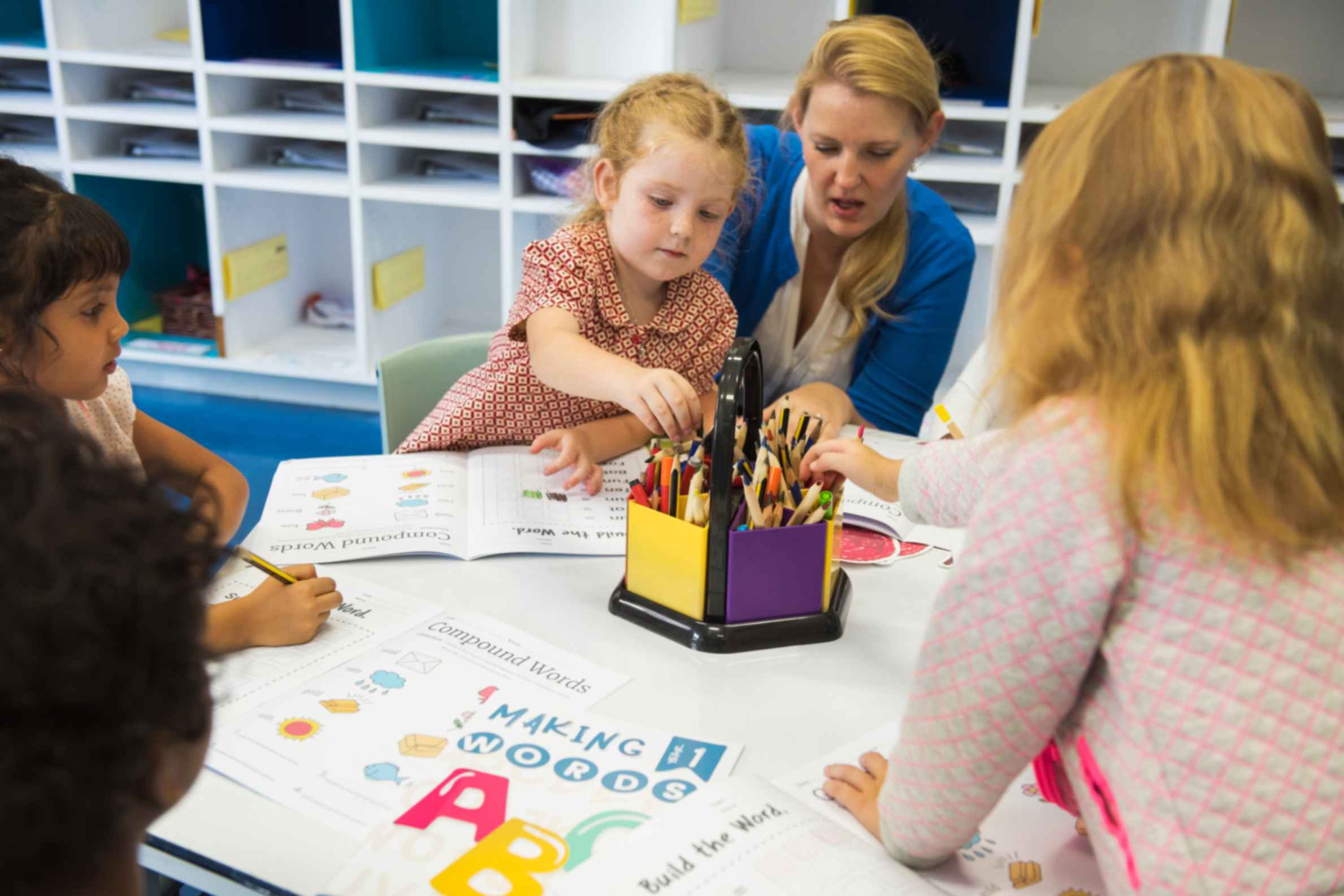
At Wimbledon Day Nursery, children build independence through daily routines, develop language through conversation and stories, and learn social skills through guided group play. Self-help skills grow at mealtimes and tidy-up time. Attention develops during carpet sessions and story circles.
Confidence grows because a familiar key worker gently encourages each child to try things alone. By the time a child moves up to Reception, the rhythm of a structured day already feels familiar and safe. You can see how this works across our nursery rooms, where each age group has activities matched to that stage.
When should you start preparing for school?
School readiness develops gradually from age two or three, so the year before Reception is the most valuable preparation window.
The most effective preparation happens naturally, through everyday nursery routines and consistent habits at home. There is no need for flashcards or formal lessons.
At home, you can support the same skills: encourage your child to dress themselves, talk through daily routines, read together every day, and arrange playdates that build sharing. Small habits, repeated daily, make a genuine difference. To see the kinds of activities that build readiness day to day, take a look at our nursery activities, all designed around the EYFS.
Download Our Free School Readiness Checklist
Frequently Asked Questions