
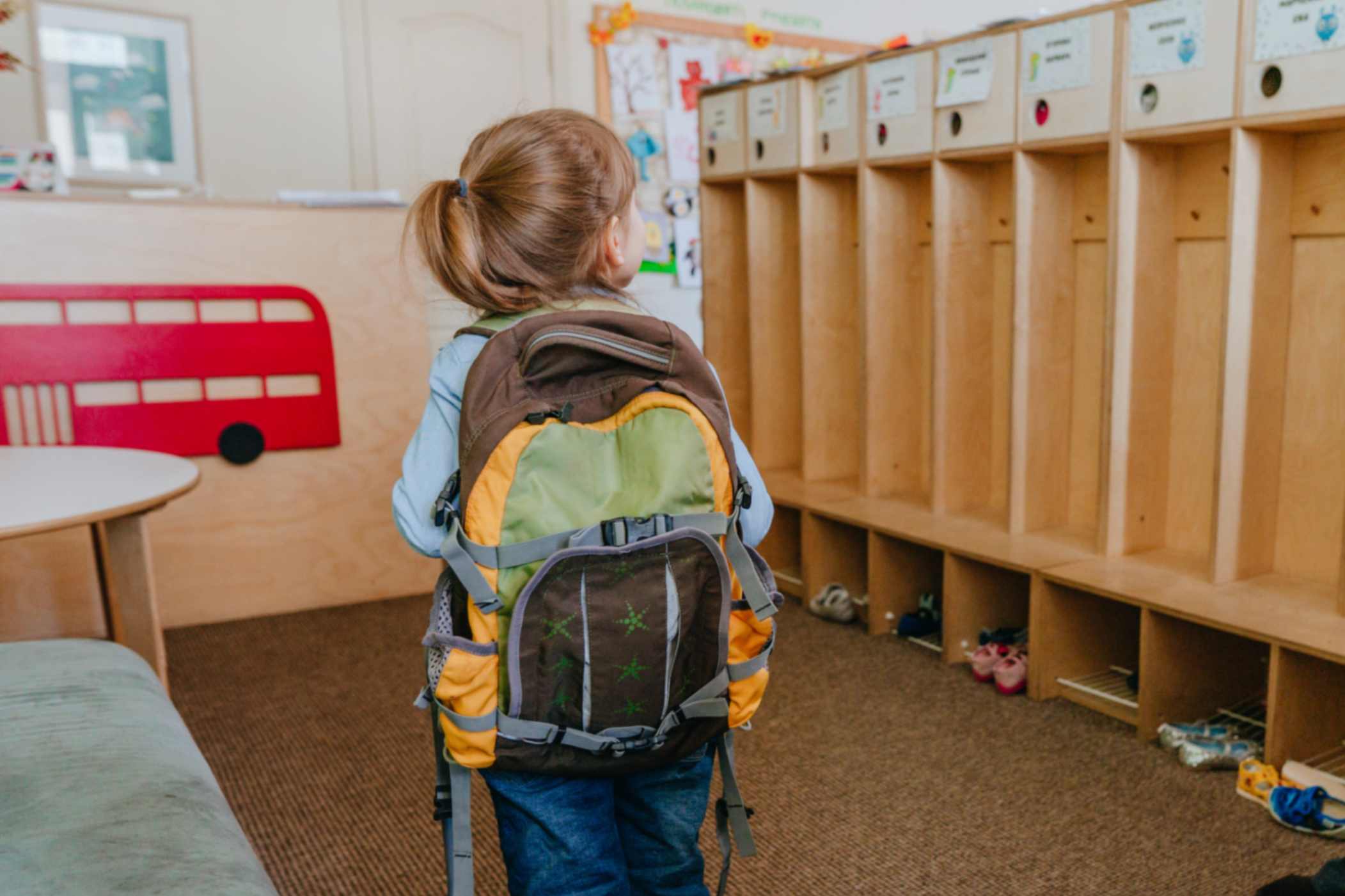
Preparing Your Child for the Transition to Reception – A Guide for Nursery Parents in Wimbledon
The best way to prepare your child for the transition to reception year is to focus on independence, confidence and social skills rather than formal academics, starting gently in the months before school begins. If your little one is due to start reception soon, building a few simple habits now can make those first weeks of school much smoother for the whole family.
In this blog, we’ll explain what the transition to reception involves, when to apply for a place, the skills that matter most, and how your nursery can help prepare your child.
What Is the Transition to Reception Year?
The transition to reception is the move from nursery or preschool into the first year of primary school, which children in England join in the September after they turn four. Reception still sits within the Early Years Foundation Stage, so learning remains play-based, but the setting, routines and expectations change noticeably.
According to gov.uk guidance on school starting age, children must be in full-time education from the term after their fifth birthday, though almost all start in reception at four. Knowing that reception follows the same EYFS framework as nursery reassures many parents that the leap is smaller than it looks.
When to Apply for a Reception Place in Wimbledon
Applications for reception places close in the January before your child is due to start school, and they are made through your local council rather than the school itself. For Wimbledon families, that means applying through Merton Council’s admissions service via gov.uk.
A few practical pointers:
- Apply on time, as late applications are considered after everyone else.
- List more than one school preference to protect your options.
- Check each school’s catchment and admissions criteria carefully.
- Places are confirmed on National Offer Day in the spring.
How to Prepare Your Child for School
Preparing your child for school is mostly about everyday life skills, not reading and writing, and reception teachers say so consistently. The three areas below carry the most weight.
Building Independence and Self-Care Skills
Children settle faster when they can manage small tasks by themselves. In the months before September, practise:
- Putting on coats and shoes without help.
- Using the toilet and washing hands independently.
- Opening lunchboxes, wrappers and drink bottles.
- Recognising their own name on pegs and belongings.
Supporting Social and Emotional Readiness
Children are better prepared for reception when they can share, take turns and confidently ask an adult for help. Arrange playdates, talk positively about school, and read stories about starting reception together. Keeping bedtimes consistent matters too, as children of this age need around 10 to 13 hours of sleep to manage busy days.
Gentle Early Literacy and Numeracy
There is no need to teach reading before reception, and schools do not expect it. Instead, share books daily, sing rhymes, count steps on the way to the park and spot letters on signs. This playful exposure builds the foundations that teachers will develop formally.
Starting School Tips UK Parents Find Most Helpful
The most effective starting school tips are the simple, practical ones repeated by teachers and experienced parents alike:
- Visit the school together at open days and taster sessions.
- Walk the school route a few times so it feels familiar.
- Label everything, from jumpers to water bottles.
- Practise the morning routine the week before term starts.
- Keep goodbyes short, warm and confident on the first day.
- Expect tiredness and keep after-school plans light in September.
How a Good Nursery Supports the Nursery to School Transition
A strong nursery makes the nursery-to-school transition feel like a natural next step rather than a cliff edge. Preschool rooms mirror many reception routines, from carpet time and snack routines to growing independence, and practitioners share each child’s learning journey with their new teachers so nothing is lost in the move.
Start the School Journey with Wimbledon Day Nursery
A positive start to school begins long before the first day of reception, and that is exactly what we build. At Wimbledon Day Nursery, our preschool room prepares children for the transition to reception through independence-focused routines, rich language and play, and a close partnership with local schools and families.
Reception may feel a long way off, but the children who stride through those gates in September start preparing now. Contact us today to book a visit and give your child the head start they deserve.
FAQs
When do children start reception in the UK?
Children in England usually start reception in the September after their fourth birthday. Legally, full-time education must begin by the term after a child turns five.
When is the deadline to apply for a reception place?
Applications close in the January before your child starts school. They are made through your local council, which for Wimbledon families is Merton Council, so check its admissions page for the current deadline.
Should my child be able to read before starting reception?
Schools do not expect children to be able to read before starting reception. Instead, sharing books, singing rhymes and talking together every day helps build the language and communication skills that teachers continue to develop in the classroom.