
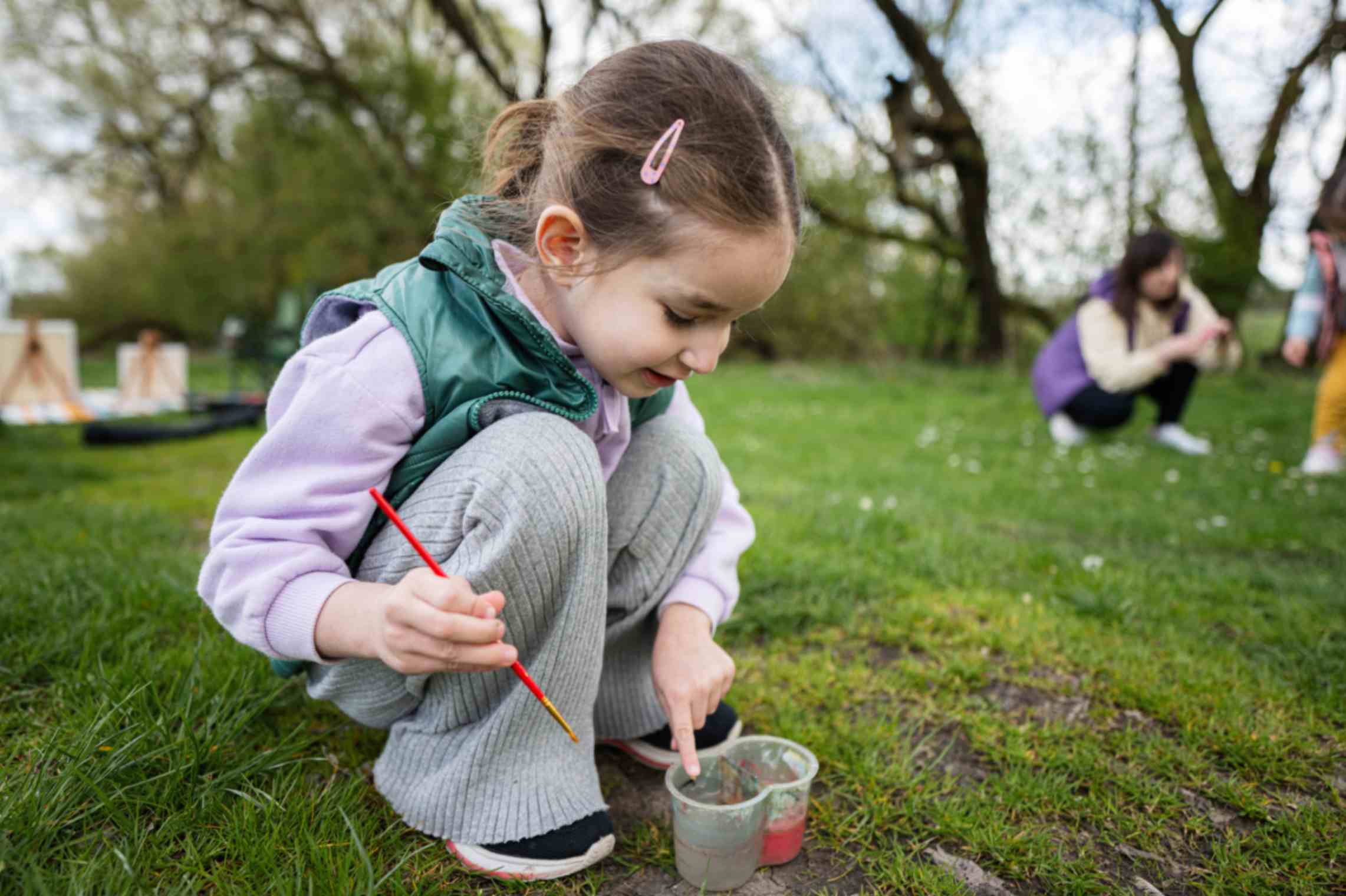
Outdoor Learning in the Early Years – Why Fresh Air Matters as Much as the Classroom
Outdoor learning in the early years is every bit as valuable as classroom teaching because young children learn best through movement, exploration and first-hand experience of the world around them. Mud, puddles, leaves and open sky are not a break from learning; for children under five, they are the curriculum.
In this blog, we will know what outdoor learning really means, how it fits within the EYFS, the proven outdoor play nursery benefits, and the activities that make the biggest difference to young children.
What Is Outdoor Learning in the Early Years?
Outdoor learning in the early years means using gardens, parks, woodland and other natural spaces as intentional learning environments, not simply as places to let off steam. Counting conkers, balancing on logs, planting seeds and observing minibeasts all develop the same skills a classroom targets, often more effectively.
The EYFS statutory framework expects providers to give children daily access to outdoor activities wherever possible, recognising that outdoor environments offer unique opportunities that indoor spaces cannot replicate.
How EYFS Outdoor Learning Works in Practice
EYFS outdoor learning weaves the seven areas of learning into outdoor experiences, so children build literacy, numeracy and physical skills while they play. The best nurseries plan their gardens with the same care as their classrooms.
Outdoor Play Within the EYFS Framework
Every area of the EYFS can be delivered outdoors, from mark-making with chalks and water to counting stepping stones and role play in a mud kitchen. Practitioners observe children outside just as they do inside, tracking progress against the same developmental goals.
The Forest School Approach
Forest school takes learning into natural woodland through regular, child-led sessions that steadily grow a child’s confidence, judgement and independence. For families exploring a forest school nursery in Wimbledon, the appeal is obvious. Children get real adventure with skilled adults close by, and with the commons and green spaces on the doorstep, the setting could hardly be better suited.
The Benefits of Outdoor Play at Nursery
The outdoor play nursery’s benefits are wide ranging, supporting children’s bodies, brains and emotional wellbeing at the same time. Decades of early years research point in the same direction: children who spend more time learning outdoors tend to be healthier, calmer and more curious.
Physical Health and Development
Outdoor play builds strength, balance and coordination in ways indoor play rarely can. The UK Chief Medical Officers’ physical activity guidelines recommend at least 180 minutes of daily activity for under-fives, and time outside also supports vitamin D production, which the NHS notes is essential for healthy bones and muscles.
Language, Curiosity and Cognitive Growth
Nature is endlessly novel, and novelty drives vocabulary. Outdoors, children encounter words like “bark”, “burrow” and “drizzle” in real contexts, ask more questions, and solve genuine problems, such as how to carry water across the garden without spilling it.
Confidence, Resilience and Social Skills
Managed risk is where resilience grows. Climbing a little higher, jumping a little further and trying again after a stumble teach children to assess challenges and trust themselves, while shared outdoor tasks such as den building encourage teamwork, negotiation and patience.
Outdoor Activities Preschool Children Love
The best outdoor activities preschool children enjoy are simple, open-ended and rich in sensory detail. Favourites at any well-planned setting include:
- Football and Teddy Tennis for fun, teamwork and coordination.
- Mud kitchens for measuring, mixing and imaginative play.
- Bug hunts and minibeast hotels to spark early science skills.
- Obstacle courses using logs, tyres and crates for balance and coordination.
- Water play, puddle jumping and welly walks in all weathers.
Let Your Child Experience Outdoor Learning at Wimbledon Day Nursery
The surest way to give your child these benefits every single day is to choose a nursery where outdoor learning sits at the heart of the curriculum. At Wimbledon Day Nursery, fresh air learning runs right through our weekly activities. Trained coaches lead Football Focus sessions each week, helping children develop coordination, balance and listening skills, while Teddy Tennis introduces fundamental movement through fun, engaging play. Children also enjoy visits to local parks, exploring Wimbledon’s green spaces throughout the year.
Places fill quickly, so do not wait for the next intake to pass you by. Contact us today to book a visit and see our outdoor learning in action for yourself.
FAQs
What does outdoor learning mean in the early years?
Outdoor learning means using outdoor spaces as planned learning environments where children develop literacy, numeracy, physical and social skills through play, exploration and hands-on experiences in nature.
Is outdoor play a requirement of the EYFS?
Yes, the EYFS statutory framework expects providers to offer daily outdoor activities wherever possible. Outdoor provision is treated as an essential part of early education, not an optional extra.
What are the main benefits of outdoor play at nursery?
Outdoor play strengthens physical development, expands vocabulary, boosts concentration and builds confidence and resilience. It also helps children meet the recommended 180 minutes of daily activity for under-fives.
What is a forest school nursery?
A forest school nursery embeds regular, child-led sessions in natural or woodland settings into its curriculum. Children learn through managed risk, exploration and seasonal outdoor experiences guided by trained practitioners.