
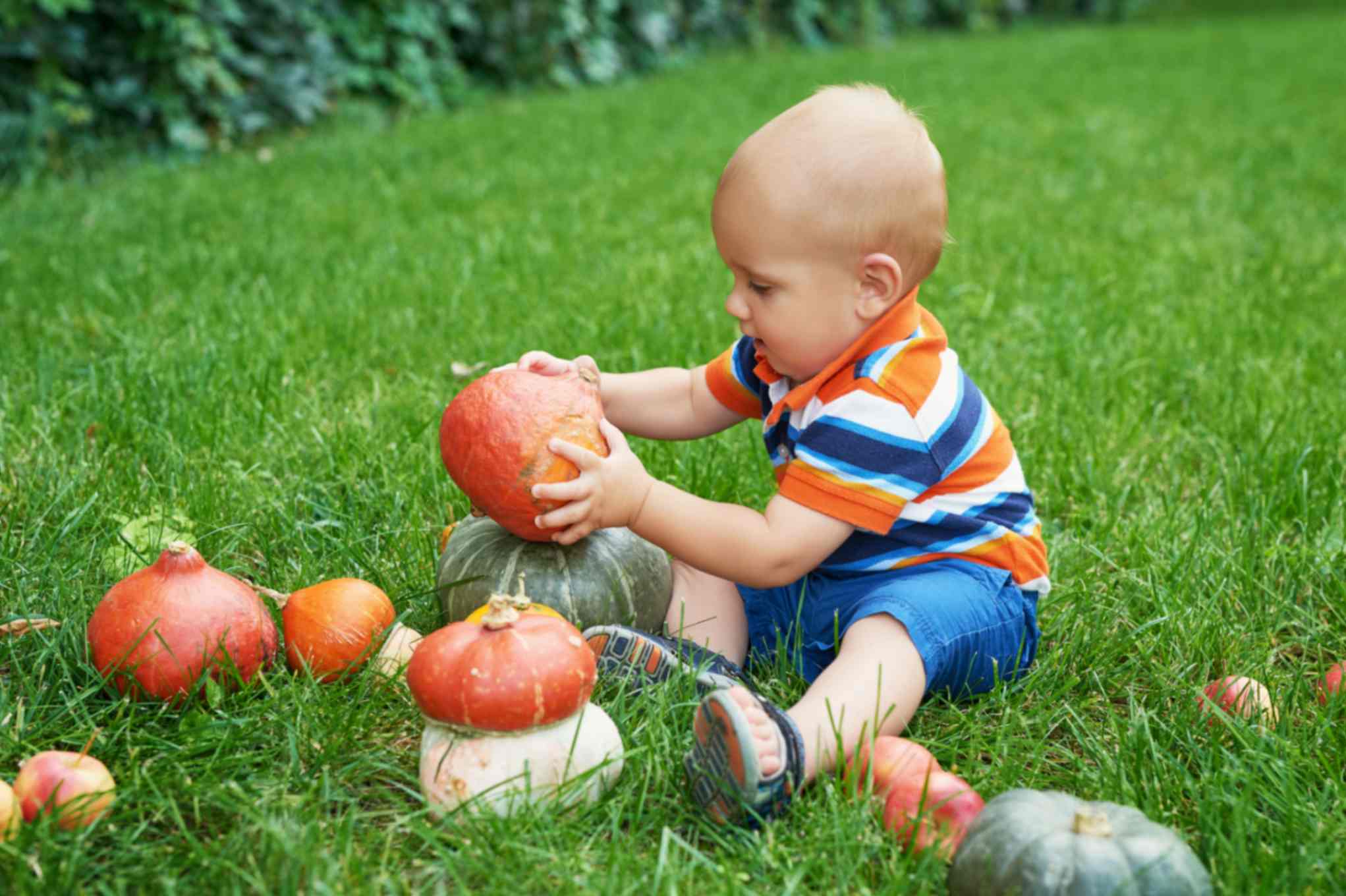
Pumpkin Play: Fun Sensory Activities for Toddlers This October
Pumpkin sensory activities for toddlers are a simple way to bring autumn learning indoors, and you only need a pumpkin, a tray and a patient adult to get started. The cool, smooth skin, slippery pulp, earthy smell and satisfying weight give little ones plenty to explore. Here is how to make the most of a pumpkin this October, safely.
Why Are Pumpkins So Good for Toddler Sensory Activities?
Pumpkins work well because they engage several senses at once, and no two feel quite the same.
- Touch: smooth, cool skin against wet, stringy pulp.
- Smell and sight: an earthy scent and bright orange colour that toddlers love to talk about.
- Sound: tapping the shell, scooping the pulp and listening to the squelching sounds.
- Weight and size: comparing pumpkins that are heavy, light, big or small introduces early maths language.
What Are the Benefits of Autumn Sensory Play?
Autumn sensory play gives toddlers a chance to develop physical skills, language and confidence through hands-on exploration. NICE guidance on early years wellbeing recognises play and learning as one route to cognitive, social and emotional development in children. Pumpkin play also links with several areas of the EYFS, including Physical Development and Understanding the World.
- Scooping and squeezing strengthen the fine motor skills needed for later writing.
- Words such as slimy, bumpy and heavy give toddlers useful new vocabulary.
- Absorbing toddler sensory activities often encourages calm, focused play.
How Do You Choose a Pumpkin for Toddler Sensory Play?
Choose a pumpkin that is firm, intact and easy for your toddler to handle. A small pumpkin can be easier for younger toddlers to touch, roll and compare, while a larger one can be used for supervised scooping and talking about size and weight. An adult should always handle the cutting and check the pumpkin before play for any damaged or mouldy areas.
Which Pumpkin Sensory Activities for Toddlers Work Best?
The best pumpkin activities for toddlers are simple and led by the child’s curiosity, with an adult doing any cutting.
Scoop and Squish Tray
Halve a pumpkin yourself, then let your toddler scoop the pulp into bowls. It is classic messy play toddlers love, and it strengthens hand control.
Painted Pumpkins
Washable, child-safe paint on a whole mini pumpkin turns mark-making into a textured, three-dimensional activity, with no carving needed.
Sink or Float
Most pumpkins float, which makes a surprising first science experiment. Stay within arm’s reach of any water at all times.
Roll, Lift and Compare
Rolling pumpkins down a gentle slope or lifting different sizes builds gross motor skills and words like “heavy” and “light”.
How Do You Keep Pumpkin Play Safe for Toddlers?
Keep pumpkin play safe by supervising closely, keeping small pieces out of reach and leaving all knife work to adults.
- Stay beside your toddler throughout the activity. The NHS notes that children aged 1 to 5 often put objects in their mouths, so small objects can present a choking risk.
- Keep seeds and small pieces away from children who still mouth objects.
- Check for allergies and skin sensitivities before adding ingredients such as flour or oats.
- Wash hands and wipe down surfaces when play is finished.
Enjoy Autumn Activities for Toddlers in Wimbledon With Us
At Wimbledon Day Nursery, sensory play is part of everyday routines, with messy play, secure gardens, a sensory room and local outings through the seasons. Explore our Toddler One and Toddler Two rooms, then speak to our admissions team or book a visit to see how autumn learning comes to life for your child.
Frequently Asked Questions
What are the best pumpkin sensory activities for toddlers?
Scooping pulp, painting a mini pumpkin, a sink or float water tray, and rolling or lifting pumpkins of different sizes are all easy, low-cost options that need little preparation.
Is pumpkin play safe for toddlers?
Yes, with close supervision. Keep seeds and small pieces away from children who still put things in their mouths, leave all cutting to adults, and never leave a toddler alone near water.
What age can toddlers try pumpkin sensory play?
Toddlers across the age range can enjoy it with an adult beside them, as long as the activity matches their stage. Whole mini pumpkins suit younger toddlers, while scooping and painting suit older ones.
Why is messy play good for toddlers?
Messy play lets toddlers explore textures hands-on, which supports fine motor skills, vocabulary and curiosity, and links to several EYFS areas of learning.
How can I keep pumpkin play from getting too messy at home?
Use a large tray or old sheet, play outdoors if you can, dress your toddler in old clothes or an apron, and keep a towel and a bowl of warm water nearby for quick clean-up.